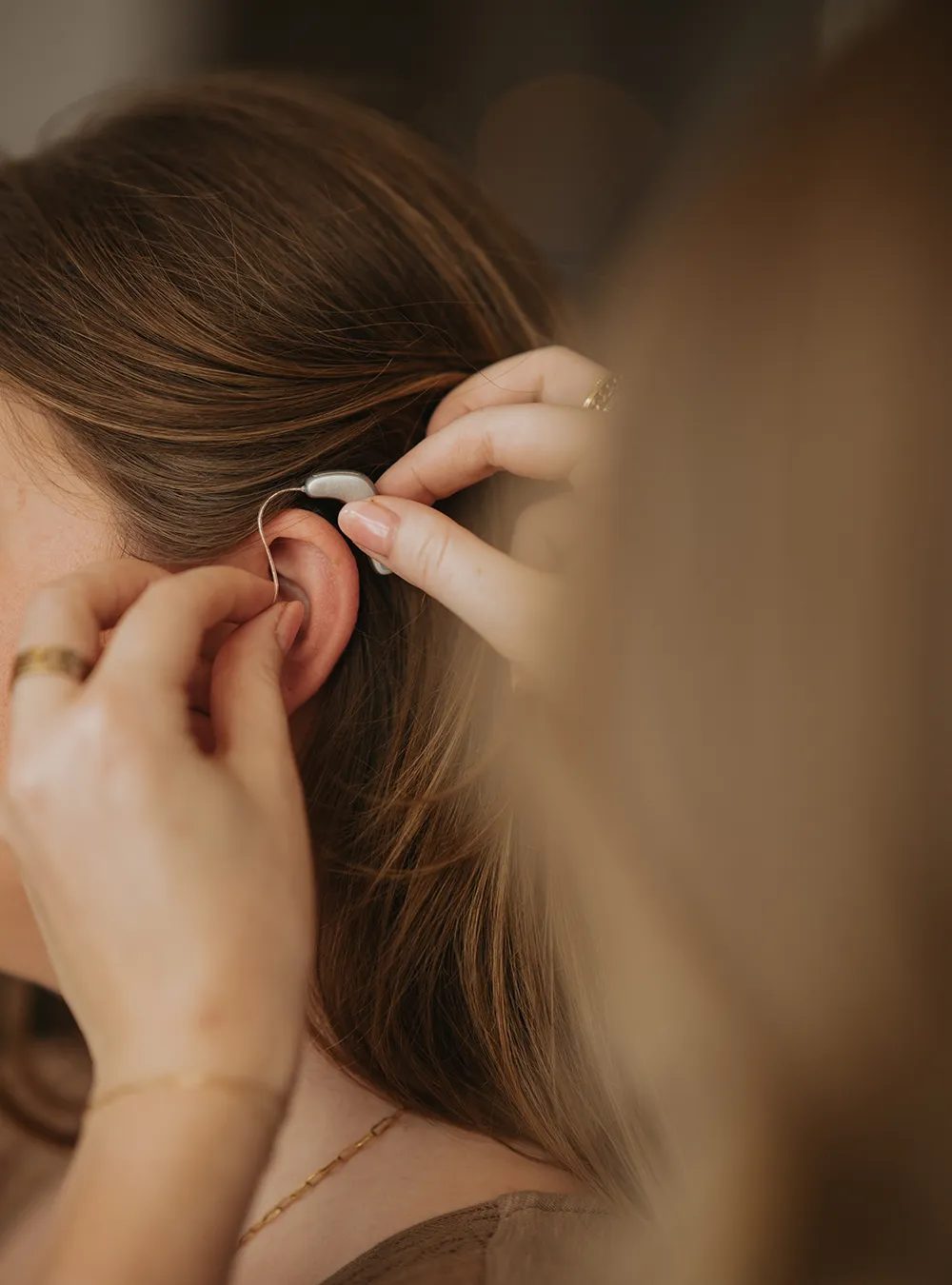
Hearing Aids and Tinnitus Devices
At Ears4U Hearing Services, we work with the leading hearing aid manufacturers to find the right fit for your hearing loss, lifestyle, and budget. Our audiologists will guide you through every option so you can make a confident, informed decision.
Our Process
Getting the right hearing aids starts with understanding your unique hearing needs. From your first visit through ongoing adjustments, we follow a proven process that puts your hearing goals at the center of every decision.
Hearing Evaluation
We assess your hearing with detailed testing to identify the type and degree of your hearing loss.
Personalized Fitting with Real Ear Measurements
Your hearing aids are programmed and verified using Real Ear Measurements, the gold standard for accurate fitting.
Ongoing Support and Fine-Tuning
We schedule follow-up appointments to adjust your settings and make sure you're hearing your best.
Hearing Aid Styles
Hearing aids come in a range of styles designed to match different levels of hearing loss, lifestyle preferences, and comfort needs. Our audiologists will help you determine which style is the best fit based on your hearing evaluation results.

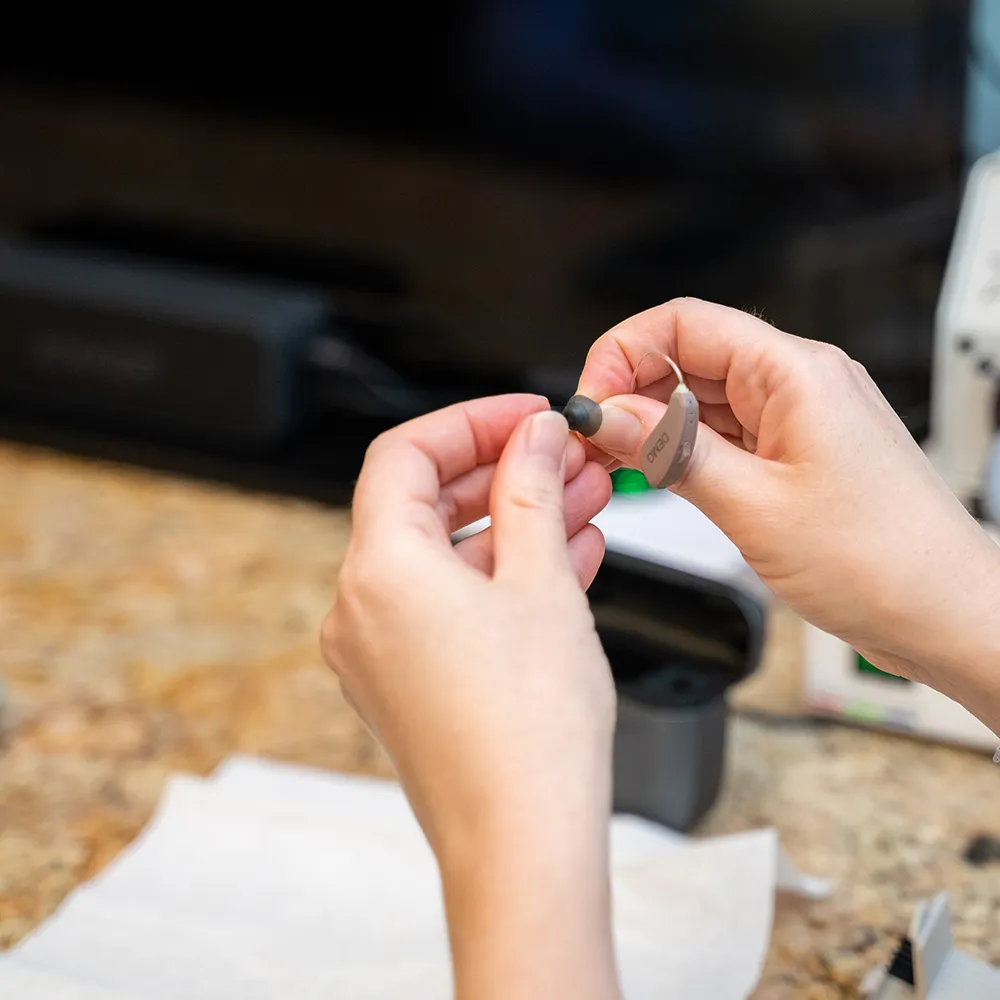
BTE hearing aids sit behind the ear with a tube connecting to a custom earpiece in the ear canal. They are suitable for mild to severe hearing loss and are easy to handle and maintain. Most BTE models offer Bluetooth connectivity for streaming audio from phones and other devices.

ITE hearing aids fill the outer portion of the ear and are custom-molded to your ear shape. Available in full-shell and half-shell designs, they work well for mild to severe hearing loss. Their larger size allows for longer battery life and easy-to-use volume controls.
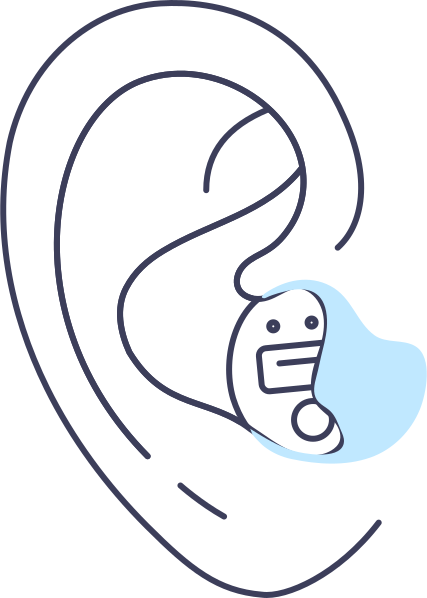
ITC hearing aids are custom-shaped to fit partly in the ear canal, making them less visible than ITE models. They offer a balance between discretion and functionality, with many models supporting Bluetooth streaming. ITC devices are a good option for mild to moderately severe hearing loss.
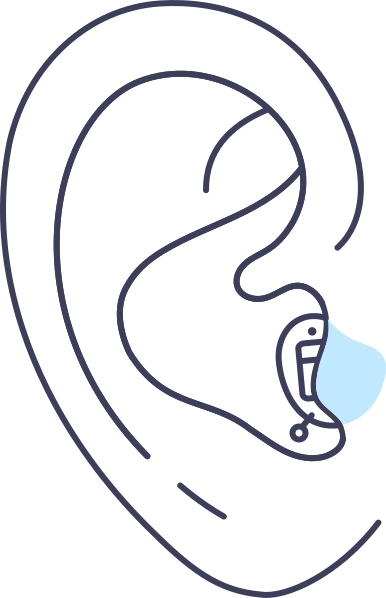
CIC hearing aids sit entirely inside the ear canal, making them one of the more discreet options available. They are custom-molded for a comfortable fit and work best for mild to moderate hearing loss. Their small size may limit some wireless features found in larger styles.
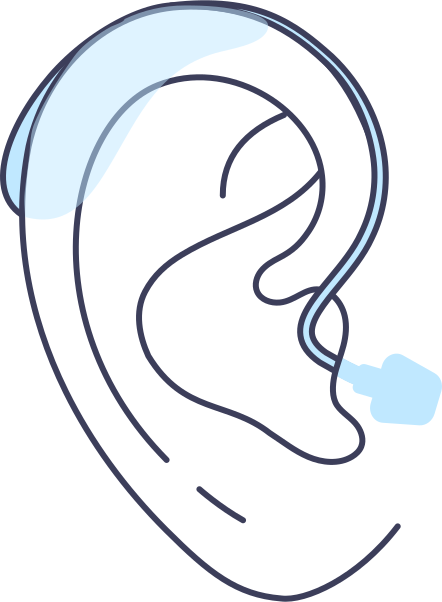
RIC hearing aids place the speaker directly in the ear canal while the microphone and processor sit behind the ear. This separation allows for a smaller, lighter design with strong sound quality. RIC models are among the most popular styles and support a wide range of hearing loss levels.
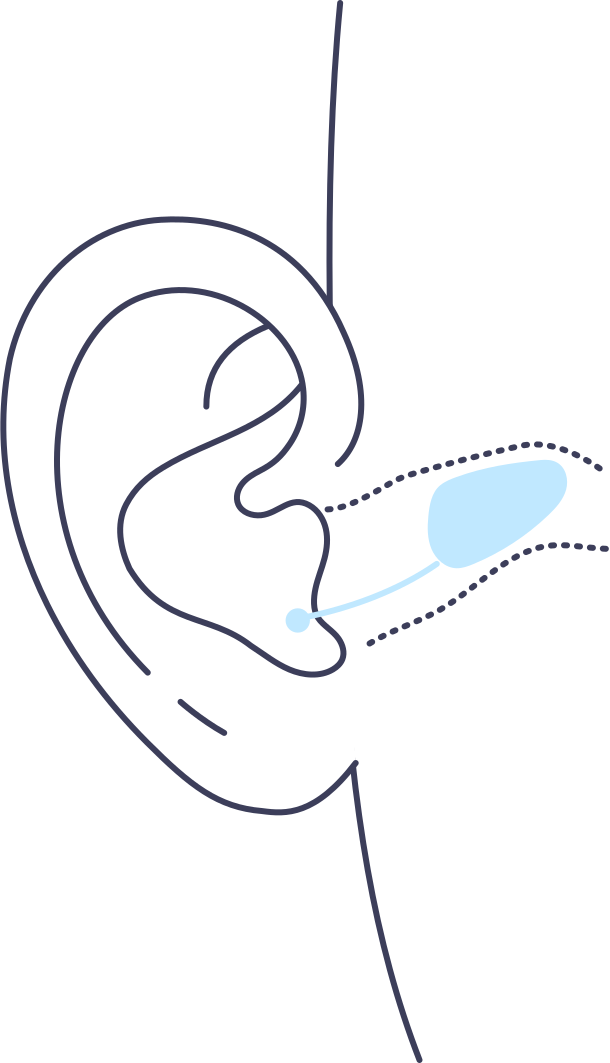
IIC hearing aids are inserted deep into the ear canal, making them virtually undetectable when worn. They are the smallest hearing aid style available and are best suited for mild to moderate hearing loss. Their deep placement provides a natural listening experience with reduced wind noise.
Newest Hearing Aids
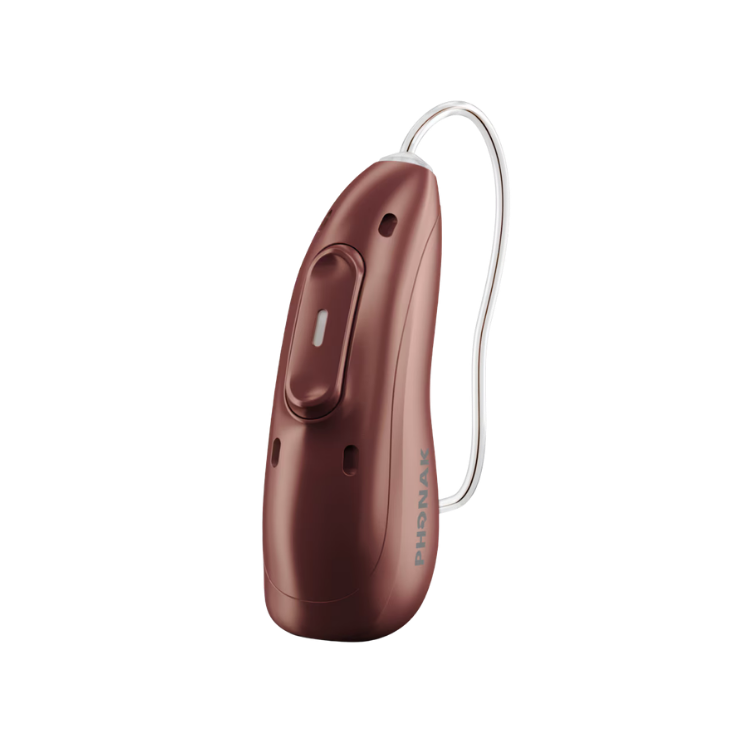
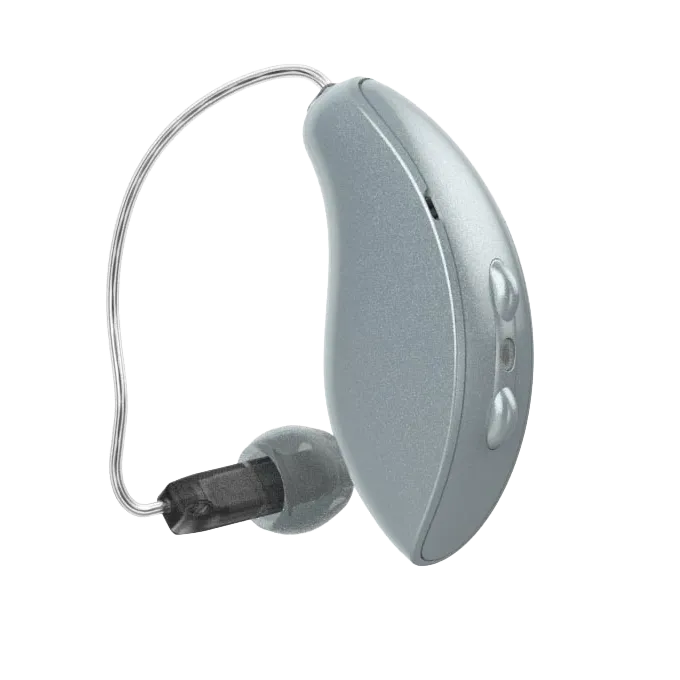
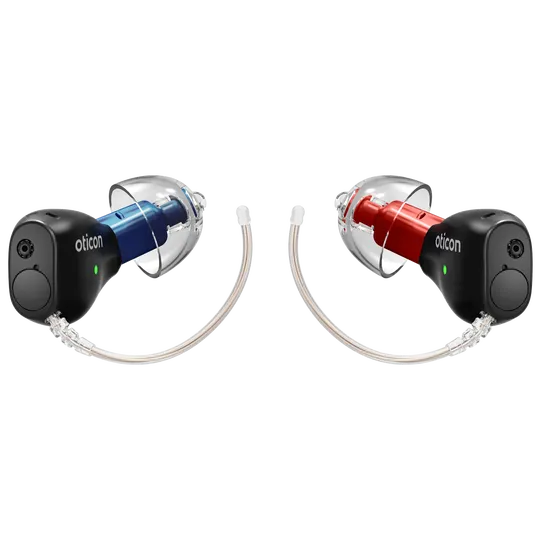
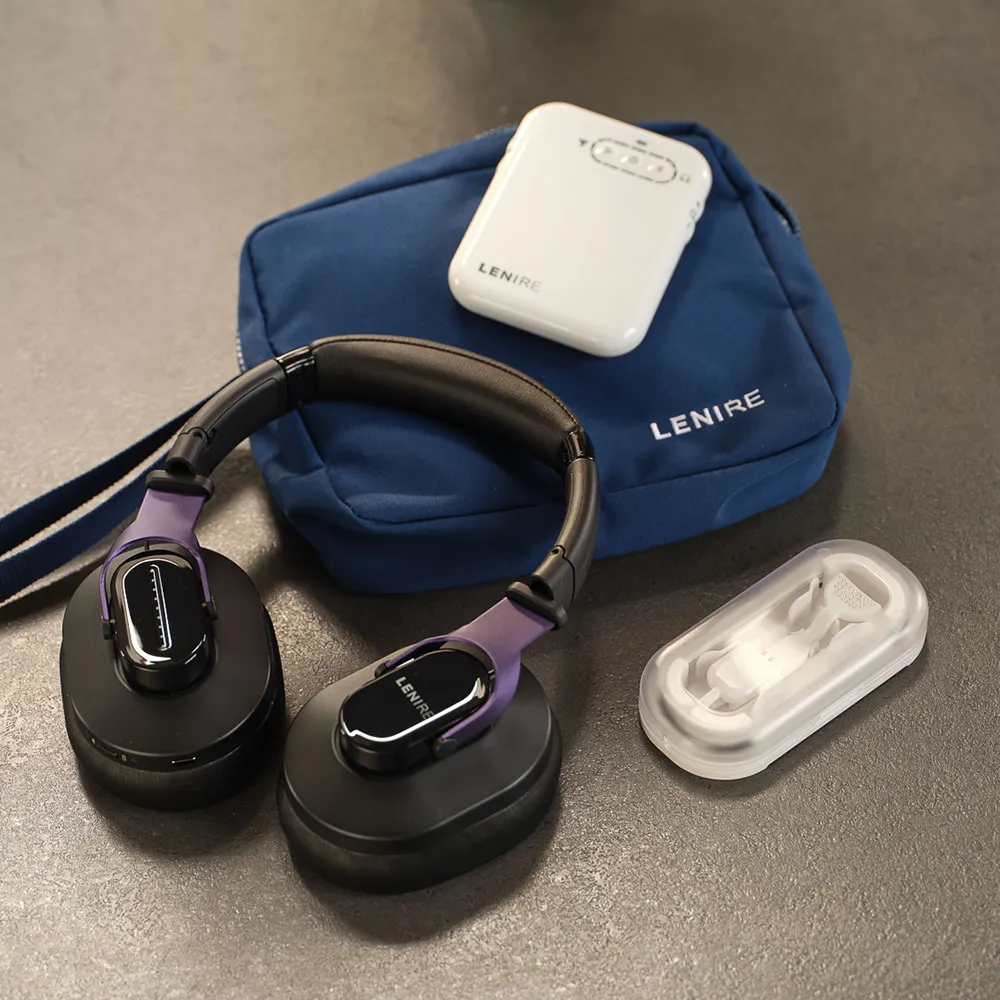
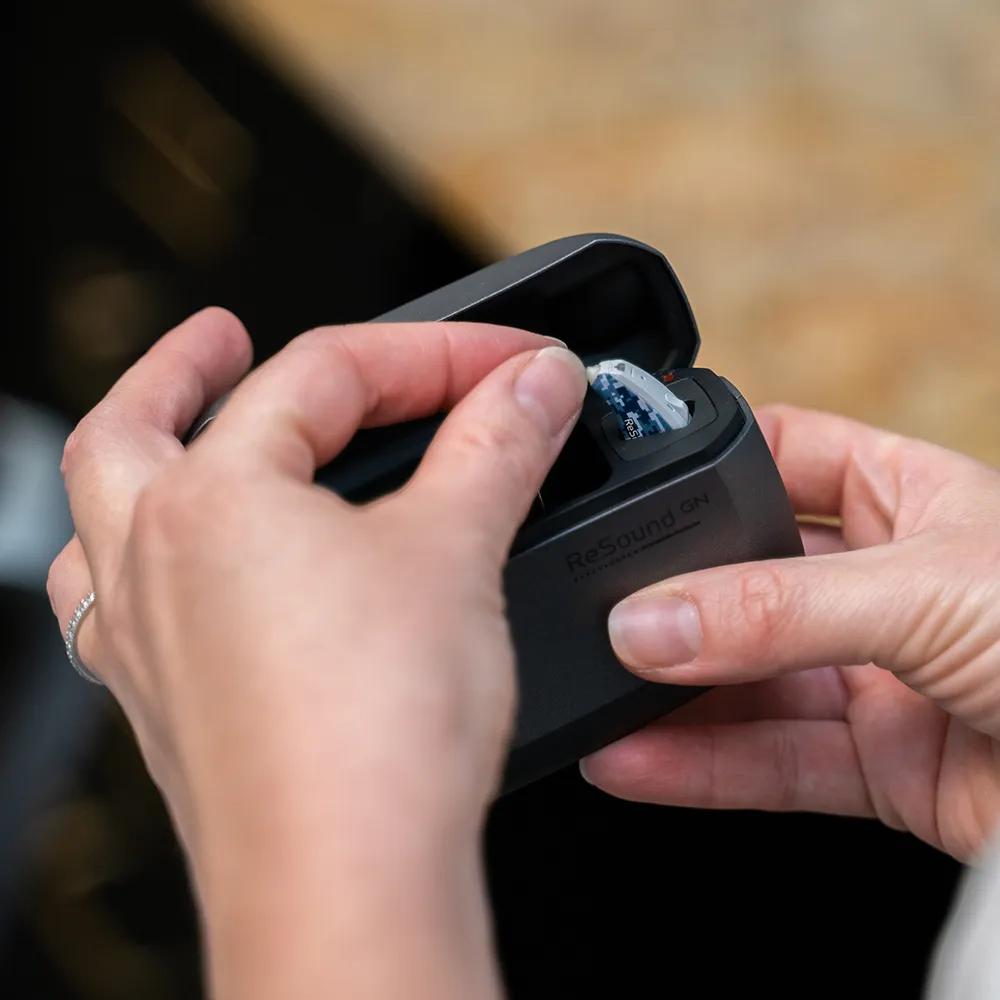
We carry the latest hearing technology from ReSound, Oticon, Phonak, Signia, Widex, and Starkey, along with the Lenire tinnitus treatment device. Ask us which option is right for you.
.png)
.png)
.png)
.png)