
Deciding On the Most Suitable Level of Hearing Protection

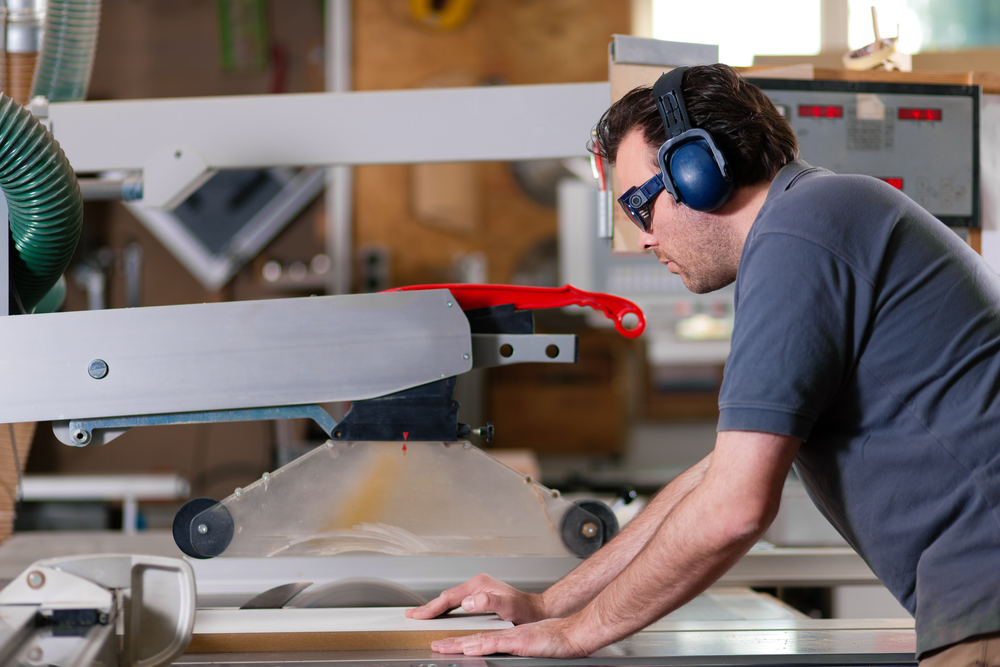
Working a lengthy time around loud noise can significantly impact your hearing, particularly when sound volume goes past safe limits. It is important to shield your ears, not just to avoid hearing damage, but also to help you focus in loud surroundings. Consequently, what steps should you take to identify the ideal hearing protection level aligned to your needs?
How noise levels impact your hearing
Noise damage depends not only on the volume of the sound but also on how much time you are exposed to it. Decibels are the critical measurement metric for noise, representing the volume of sound. Hearing damage can initiate when sound volume hits 85 dB or more, especially after long-term exposure.
For reference, 85 dB is comparable to the noise level of city traffic perceived from inside a car. An eight-hour period of non-stop exposure can start to harm your hearing, even if the sound level doesn’t seem overly loud. The safe time of exposure becomes shorter when the sound is louder:
- 90 dB (Lawnmower): Up to 4 hours of exposure can be harmful.
- 100 dB (Power tools): Limit exposure to 1 hour or less.
- Damage is possible after only 15 minutes at the 110 dB level (Leaf blower).
- Your hearing can be harmed by any exposure to a 120 dB sound (Rock concert).
- 140 dB (Jet engine): Immediate damage and pain can occur.
Recognizing hazardous sound volumes
Anyone often around noise at 85 dB or higher, hearing protection becomes a necessary requirement. This is primarily true in workplaces like construction sites, factories, or any setting where machinery, devices, or gear produce too much noise.
Even outside of the job, there are situations where hearing protection can be beneficial—attending shows, using leaf blowers, or engaging in recreational shooting sports are all activities that can expose you to dangerous noise levels.
the NRR)
We evaluate the performance of hearing protection through its Noise Reduction Rating (NRR). Stated in dB, this figure indicates the level of sound blockage the protective device is able to block. More significant protection is indicated by a larger NRR number. For example, earplugs with an NRR of 30 dB can reduce an 85 dB noise level to 55 dB, maintaining you well within safe exposure bounds.
When making your choice, take into account the actual noise intensity you are facing and verify that the protection reduces the sound below the 85 dB threshold.
The vital role of comfort in continuous protection
The NRR is clearly significant, but comfort is a similarly significant component in achieving consistent, long-term use. An uncomfortable or awkward protective unit raises the inclination to remove it, which exposes your ears to dangerous noise.
Choosing comfortable hearing protection results in consistent wear, thus decreasing the risk that you will be exposed to noise intermittently. Imagine if, for example, your earmuffs are too cumbersome or uncomfortable, you could remove them from time to time, leaving your ears exposed to dangerous noise.
What are the varieties of hearing protection?
There are several different forms of hearing protection, and each has its own benefits and disadvantages:
- Inside the ear canal, Foam Earplugs provide superb noise reduction. They are disposable and light, yet some individuals may find them uncomfortable.
- Pre-Molded Earplugs: These rest just outside the ear canal and are reusable, making them a more sustainable option. They’re easier to insert and remove compared to foam earplugs.
- Earmuffs enclose the ear completely; they are best for varying noise environments because of their ease of removal and donning. A common disadvantage is that they can feel warm or heavy with continuous wear.
The optimal choice of protection is guided by your individual comfort and the particular needs of your environment. An example is construction workers favoring earmuffs for their simple convenience, while factory workers may select earplugs for a continuous period of wear.
Making sure you wear it without fail
The most effective hearing protection is always the protector that you steadily keep in place. Taking off the protection for even a few minutes can lead to permanent damage to your hearing. For this reason, finding a product that balances protection, comfort, and convenience is crucial.
Ensure your lasting hearing health
While noise is ever present in our daily lives, using the proper hearing protection enables you to shield your ears and continue to enjoy the sounds of the world.
To discuss the best methods for safeguarding your hearing health and assessing your risk for noise-related hearing damage, please contact us today.
The site information is for educational and informational purposes only and does not constitute medical advice. To receive personalized advice or treatment, schedule an appointment.