
The Long-Term Impact of Noise on Ear Integrity

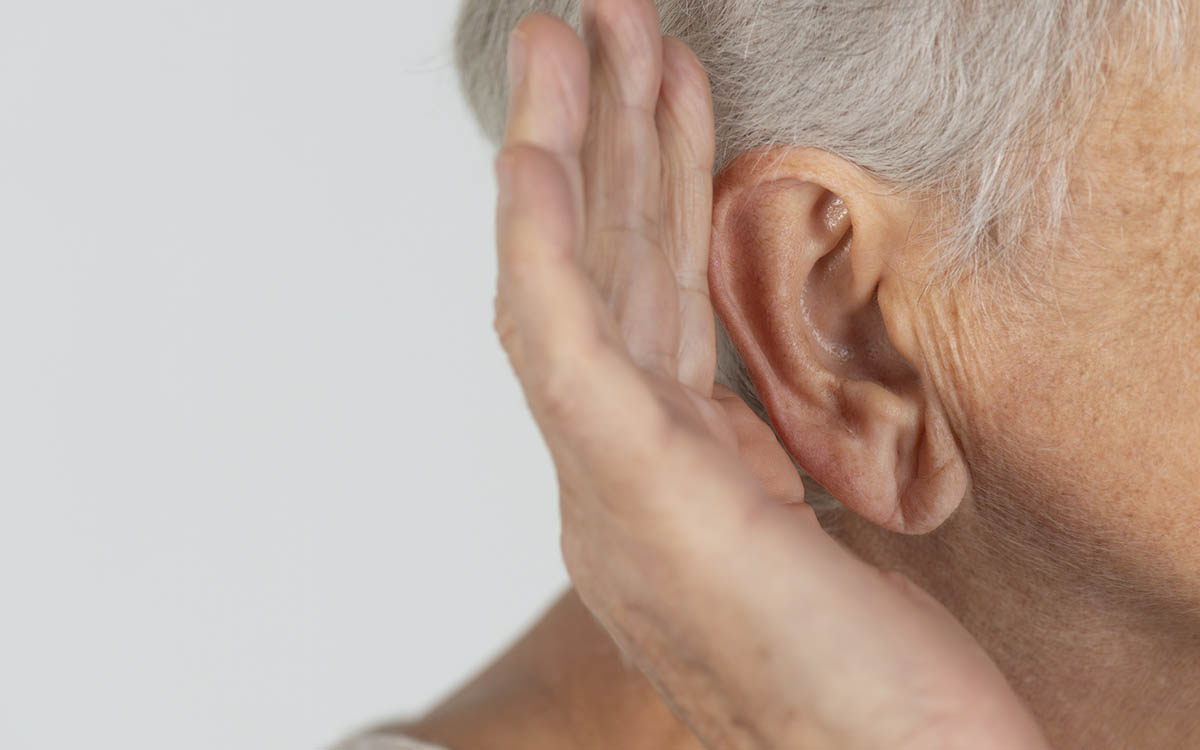
While many individuals correlate hearing loss with getting older, though for a significant portion of the population, physiological damage begins at a younger age. As one of the most prevalent and avoidable types of auditory impairment, noise-induced hearing loss typically progresses slowly, escaping notice until it becomes a permanent condition.
Grasping the longitudinal impact of sound exposure on the auditory system facilitates proactive protection before significant hearing loss occurs.
Establishing the Nature of Acoustic Injury
This form of hearing loss is precipitated by excessive acoustic energy damaging the fragile internal structures of the auditory system. As reported by the CDC, sustained or frequent exposure to sounds exceeding 85 decibels, such as heavy traffic, can initiate auditory damage. Louder sounds, like those from concerts, power tools, or firearms, can cause damage in minutes or even seconds.
The internal auditory system houses delicate sensory units termed hair cells. These receptors facilitate the conversion of acoustic vibrations into electrical signals decoded by the brain. Once damaged, hair cells do not regenerate, making this form of hearing loss a lifelong auditory deficit.
Understanding How Ear Injury Progresses Incrementally
One of the most concerning aspects of noise-induced hearing loss is that it often develops slowly. Initial signs of auditory overexposure may present as:
- Short-term episodes of Tinnitus or buzzing within the ears
- Subjective hearing attenuation or muffling after high-decibel events
- Impaired speech discrimination in the presence of background noise
The cessation of these early symptoms often leads to the false perception that the auditory system has fully healed. In fact, chronic noise exposure causes ongoing trauma to inner-ear anatomy, steadily eroding hearing precision.
The Hearing Loss Association of America reports that approximately 48 million Americans experience some degree of hearing loss, many unaware of the underlying cause.
Daily Acoustic Sources Linked to Auditory Injury
We live in a noisy world, and it’s easy to become desensitized to loud sounds. As a result, many individuals remain unaware of the clinical prevalence of damaging noise exposure.
Commonly encountered risks include:
- Professional music performances and concert environments
- The use of headphones at unsafe volume settings
- Industrial tools, lawn maintenance equipment, and motorcycles
- Professional exposure to high-volume noise in manufacturing and labor industries
Due to the routine nature of these sounds, auditory injury may accrue in the absence of overt symptoms.
The Reason Preventive Efforts Are Clinically Essential
In contrast to certain medical conditions, noise-induced hearing loss is characterized by its permanent nature. Despite its permanence, the condition is significantly preventable. Simple protective habits can significantly reduce risk, including:
- Utilizing hearing protection devices like earplugs in noisy settings
- Reducing personal audio volume and adhering to the 60/60 safety guideline
- Implementing quiet intervals to permit the auditory system to rest
- Maintaining regular clinical screenings and Audiology visits
Guidelines for Seeking Professional Care
Should you experience persistent Tinnitus or a decline in conversational understanding, a professional evaluation is indicated. Early intervention through an Audiologist allows for the monitoring and implementation of essential protective measures.
Proactive ear protection in the present is essential for maintaining future auditory function. Noise may be unavoidable, but hearing loss doesn’t have to be!. We invite you to schedule an appointment with our team to optimize your hearing function.
The site information is for educational and informational purposes only and does not constitute medical advice. To receive personalized advice or treatment, schedule an appointment.