
Is It Earwax Blockage or Permanent Hearing Loss?

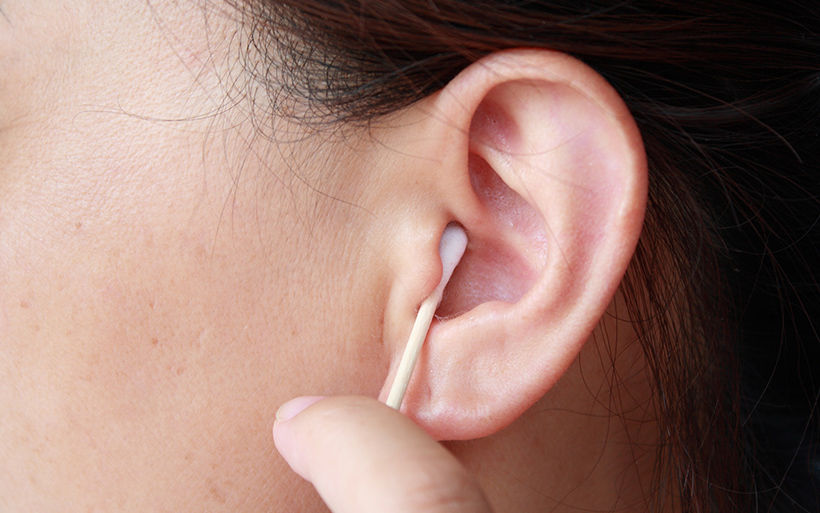
Muffled hearing can impact every facet of your life, leaving you feeling confused and disconnected from the world around you. While the anxiety of permanent hearing deterioration is a common first response, the true culprit is frequently a simple collection of canal debris.
Recognizing how to identify these differences ensures you obtain the appropriate treatment, whether that is professional cerumen extraction or a clinical hearing test. Try not to worry if your hearing feels suddenly reduced. A professional assessment will deliver the final answer, but the following resource outlines the primary variations between wax-related issues and lasting loss.
How to Recognize a Cerumen Impaction
Your ears generate wax as a natural defense process to preserve health and keep contaminants away from the eardrum. Clinical issues only manifest when the wax neglects to migrate out of the ear, leading to a substantial accumulation or blockage.
Frequent indicators of cerumen impaction include:
- Dampened sound clarity that manifests over time or overnight
- A feeling of canal fullness or a “clogged” sense
- Ear discomfort or mild pain
- Constant buzzing or hissing sounds
- Moments of clearer hearing following a yawn or eating
Because blockages are tangible, they commonly impact just one ear at a point rather than both equally. Fortunately, clearing the obstruction typically resolves the signs instantly.
Identifying the Markers of Irreversible Hearing Loss
Auditory decline, especially age-related or noise-induced hearing loss, has a tendency to develop slowly and doesn’t resolve when the canal is cleaned.
Markers of permanent auditory decline often involve:
- Battling to track discourse when ambient sound is audible
- Frequently asking others to repeat themselves
- Setting electronic device volumes to a level that people find too loud
- Trouble hearing high-frequency sounds
- Auditory ability uniformly reduced on both sides
Unlike cerumen impaction, auditory impairment doesn’t typically cause a feeling of obstruction or pressure.
Key Differences Summarized
When comparing cerumen impaction vs. hearing loss, a handful of indicators can help point you in the correct direction:
- Timeline: Wax-related muffling can be quick, but permanent loss takes decades
- Longevity: Wax issues are treatable and short-term, whereas impairment is typically chronic
- Sensations: Pressure and discomfort indicate wax; word intelligibility issues indicate impairment
- Balance: Clogs are often unbalanced, but permanent loss is commonly two-sided
Why Professional Consultation is Crucial
Many people make the error of attempting to clear a suspected obstruction themselves using swabs or household tools. In reality, manual poking often compresses the wax further against the eardrum, making the situation worse.
Health experts warn that inserting anything less substantial than your finger in your ear can lead to tympanic damage and major clogging.
Postponing a professional check-up for actual impairment can result in losing out on treatments that protect your long-term mental and social health.
Ways a Professional Exam Helps
A brief ear exam can instantly verify whether cerumen is obstructing the ear.
When wax is the cause, in-office flushing or clinical clearance delivers instant resolution.
If no cerumen is detected, a formal hearing test will be used to identify the type and degree of any underlying loss.
Clinicians recommend an immediate auditory screening if you begin failing to interact or manage your surroundings.
Closing Thoughts on Cerumen and Auditory Wellness
Muted auditory quality is not a certain sign of long-term impairment.
In numerous cases, earwax buildup is the cause, and it’s highly treatable.
Your hearing care specialists can help you to find the source of dull hearing so you can move forward with assurance and tranquility.
Keep in mind that self-diagnosis is hardly a substitute for a professional exam when it comes to your hearing.
Treating the issue immediately stops the stress of the uncertainty and puts you on the track to improved hearing.
If you’ve observed a shift in your hearing, call our office for a professional evaluation immediately.
The site information is for educational and informational purposes only and does not constitute medical advice. To receive personalized advice or treatment, schedule an appointment.