
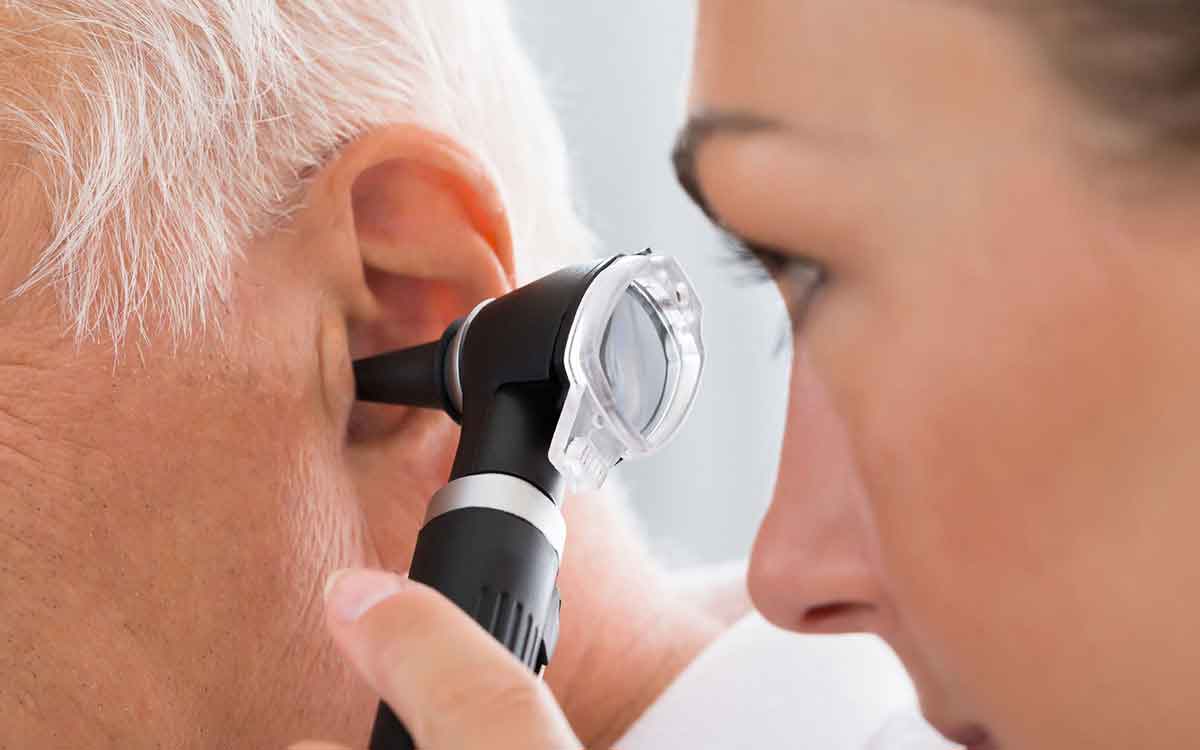
Hearing loss often happens gradually, which results in it being overlooked during the initial stages. It is common for people to adapt to auditory changes by elevating device volume and steering clear of gatherings with significant background noise.
But detecting the early signs of hearing loss is clinically vital.
Frequent Indicators of Initial Auditory Decline
If you observe any of the following symptoms, it may be time to undergo an audiological screening.
- Impaired speech discrimination during social interactions in loud or crowded environments.
- Frequently requesting others to repeat themselves.
- Muffled or blurred vocalizations, making it difficult to distinguish specific sounds.
- Turning up the volume on the TV, phone, or radio higher than others prefer.
- Decreased perception of high-pitched stimuli like children’s speech or household alerts.
- Auditory sensations such as ringing, buzzing, or humming, known as tinnitus.
- Mental drain following dialogue resulting from straining to follow speech.
- Withdrawing from social events because dialogue has become stressful.
Early symptoms are often present in one or both ears and might appear inconsistently at first. Since the auditory cortex adapts to changes, compensatory behaviors often remain hidden until clinical hearing loss is substantial.
Auditory Health: Current Statistics and Projections
The World Health Organization estimates that hearing rehabilitation requirements will affect 700 million people by 2050. Other relevant statistics consist of:
- By 2050, nearly 2.5 billion people are projected to have various levels of hearing loss.
- Over 5% of the world’s population (430 million people) necessitates rehabilitation to address disabling hearing loss.
- More than 1 billion younger individuals are at risk of permanent hearing loss caused by hazardous acoustic habits.
- Among those aged 60 and older, over 25% suffer from clinically significant hearing loss.
The Critical Importance of Early Identification
If left unaddressed, hearing loss may affect various aspects of your health outside of auditory function.
Clinical evidence shows a clear association between untreated hearing loss and social challenges, including isolation and depression.
Early intervention provides superior results and diverse therapeutic options.
A clinical screening identifies if hearing shifts are the result of noise damage, earwax impaction, or different medical factors.
Occasionally, auditory changes are temporary and can be effectively addressed.
In permanent cases, the early implementation of ear defense or devices can help manage the condition.
Indications for a Professional Hearing Evaluation
It is advisable to get a consultation with a hearing specialist if:
- Auditory symptoms persist for more than a few weeks.
- Auditory challenges interfere with occupational performance and social life.
- Instances of acute hearing loss, dizziness, or persistent ringing warrant urgent clinical attention.
Hearing evaluations are painless and supply essential data regarding your auditory wellness.
We encourage you to contact our facility if you feel a hearing assessment would be advantageous.
Auditory Health FAQ: Initial Symptoms
Q: Is hearing loss always age-related?
Answer: Not necessarily. Although presbycusis is prevalent, auditory shifts can stem from noise trauma, ototoxic drugs, or genetic factors.
Q: Can hearing loss be reversed?
A: In specific instances involving earwax or infection, hearing may be restored. However, permanent types of hearing loss are often successfully managed with hearing aid technology or therapeutic strategies.
Question: How frequently should an individual undergo a hearing test?
A: Adults should have a baseline hearing test by age 50, or earlier if symptoms or risk factors are present.
