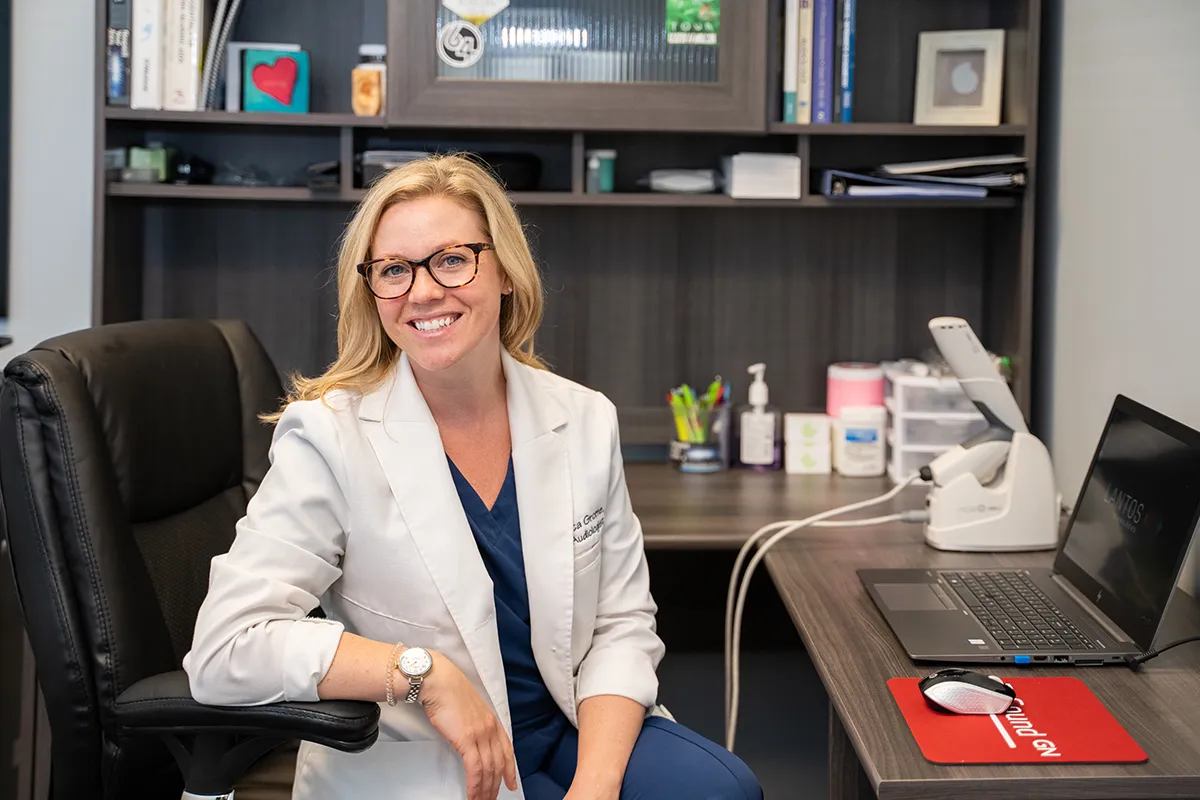
Nashville's Trusted Tinnitus & Hearing Aid Experts
Our audiologists serve patients across Nashville and Brentwood with personalized care for hearing loss, tinnitus, and sound sensitivity. From your first evaluation to ongoing support, we're with you every step of the way.


A Different Approach to Hearing and Tinnitus Care
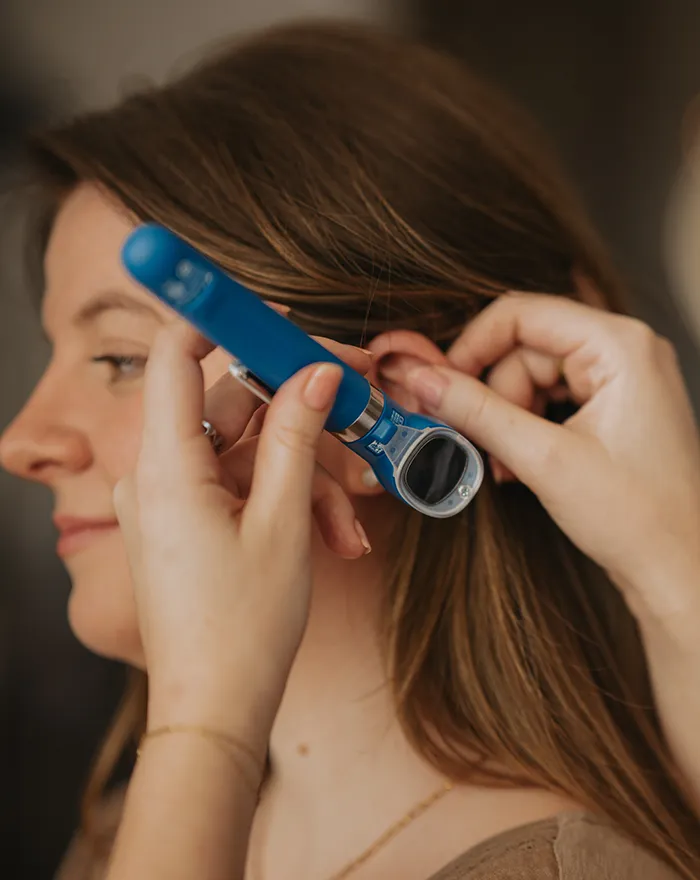
At Ears4U, we take the time to understand your hearing concerns before recommending a solution. Our Doctors of Audiology follow best practice protocols, including Real Ear Measurements, to make sure your hearing aids are properly fitted and verified. Whether you're dealing with hearing loss, tinnitus, or sound sensitivity, we build a care plan around your specific needs.
Evidence-Based Best Practice Hearing Care for All Patients
We follow best practice protocols that only about 20% of hearing providers use, giving you confidence that your care is backed by the highest standards in audiology.
Specialized Tinnitus and Sound Sensitivity Care
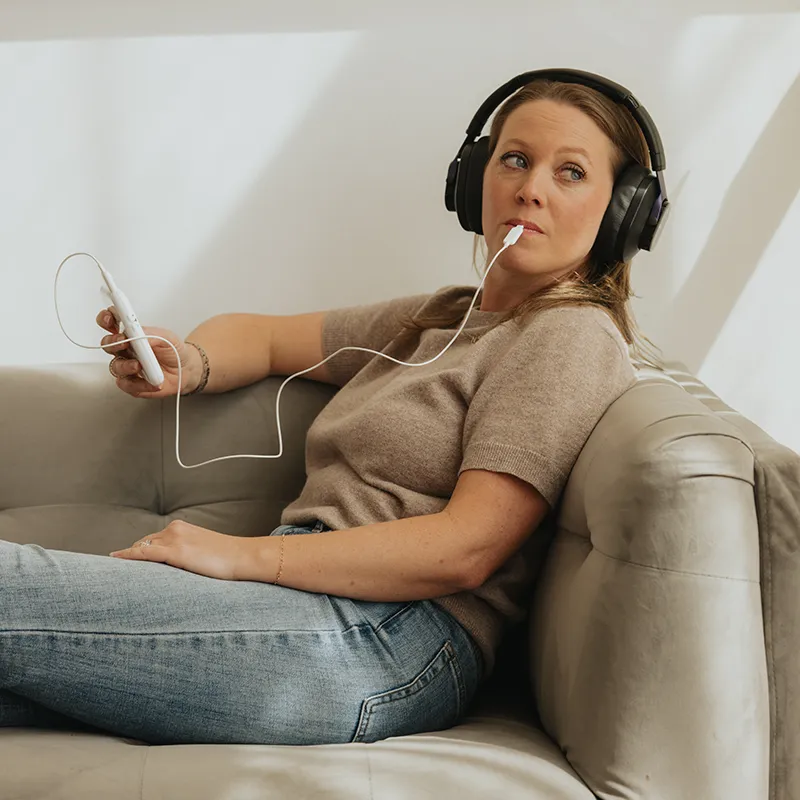
From education-based tinnitus management and Lenire treatment to hyperacusis and misophonia care, we help patients find relief beyond basic techniques.
The Latest in Modern Hearing Technology and Treatment
We work with brands like Oticon, Starkey, Phonak, ReSound, Widex, and Signia — not locked into one brand, just the best fit for your lifestyle and hearing & tinnitus needs.
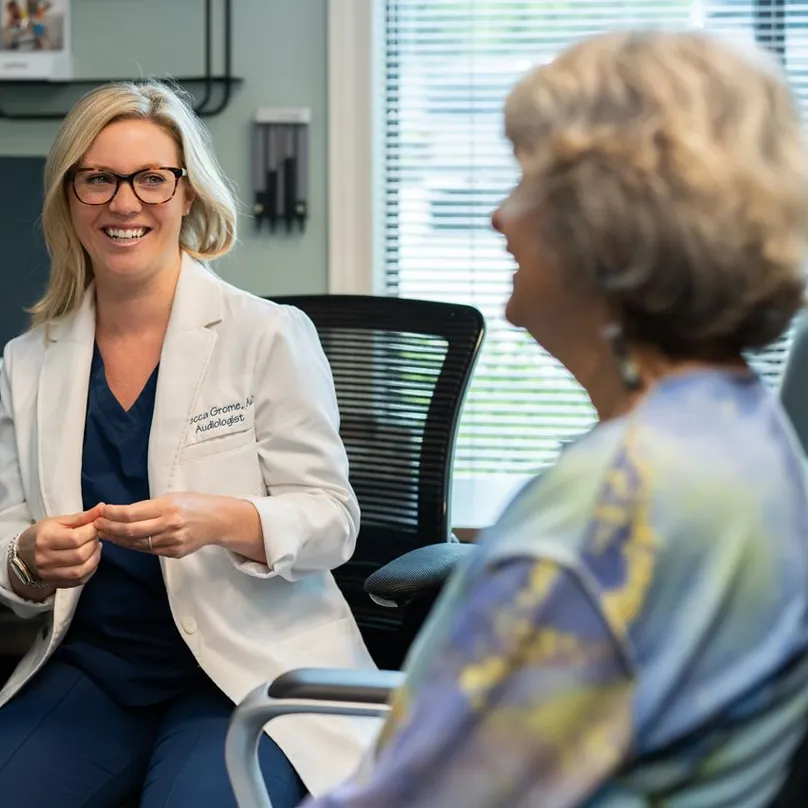
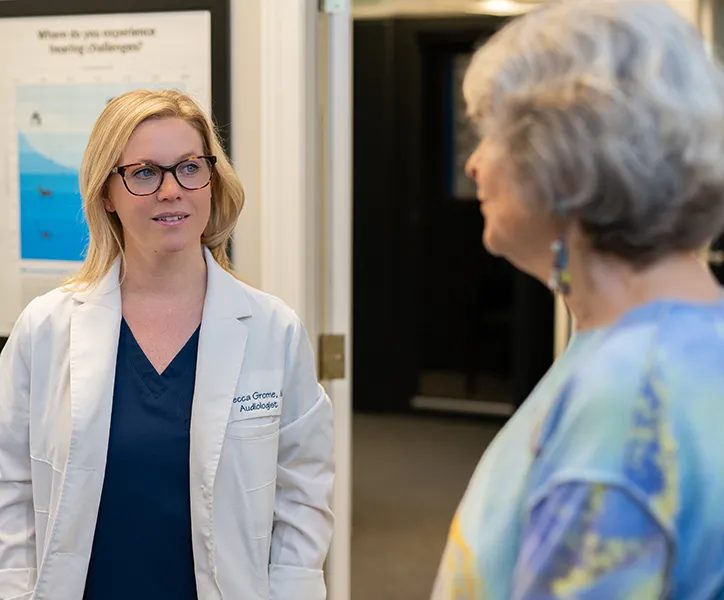
"Every patient deserves a customized approach to their hearing health. At Ears4U, we're committed to walking alongside you—not just at your first fitting, but through every adjustment and milestone on your journey to better hearing." — Dr. Rebecca Grome
Hearing Care at Ears4U
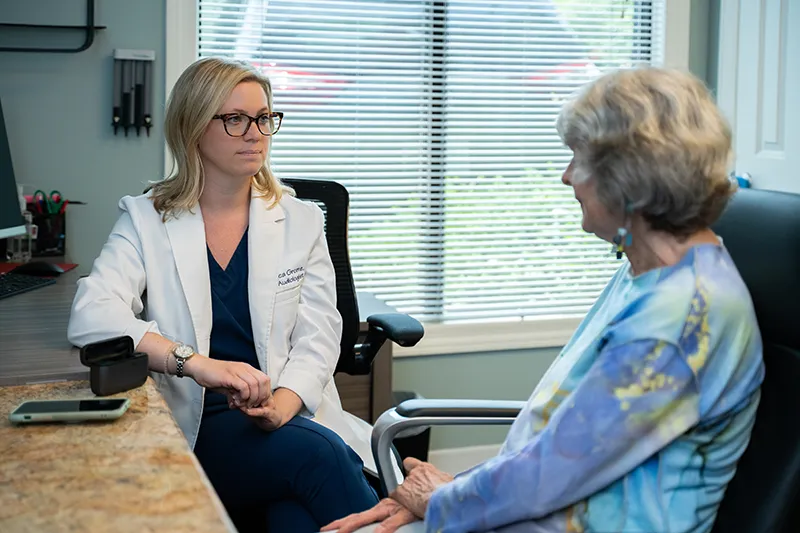
From comprehensive hearing evaluations to advanced hearing aid fittings and tinnitus treatment, our team delivers expert care tailored to your unique hearing needs.

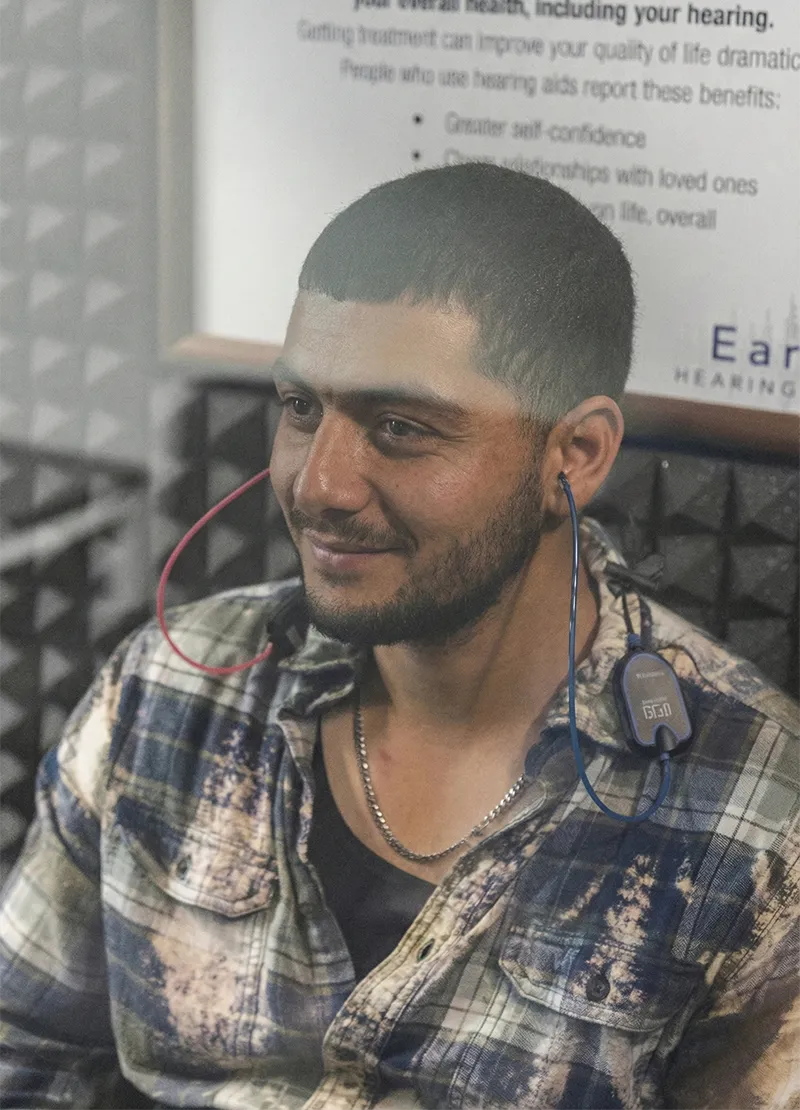
Protecting the Ears Behind the Music, Right Here in Nashville
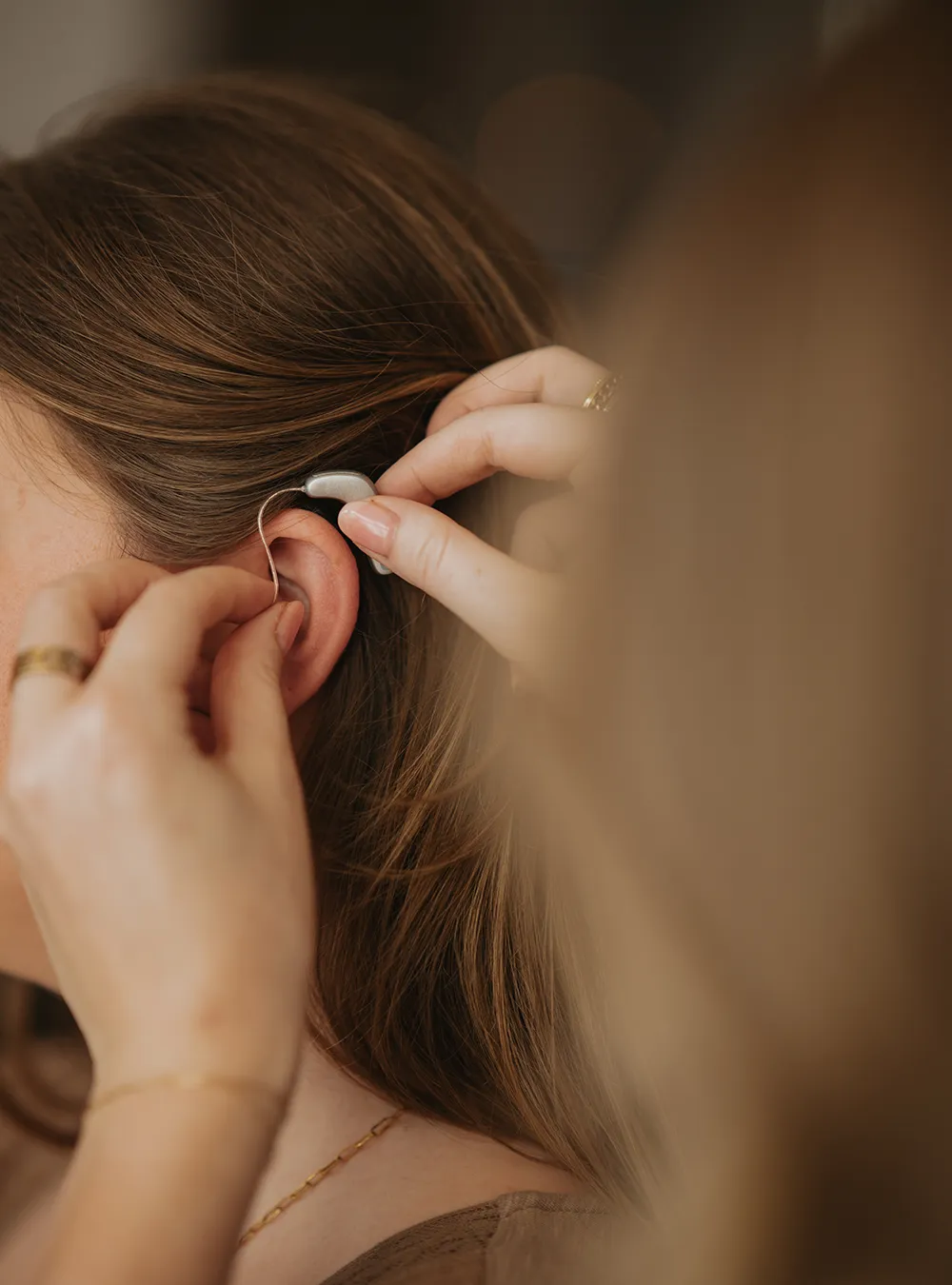
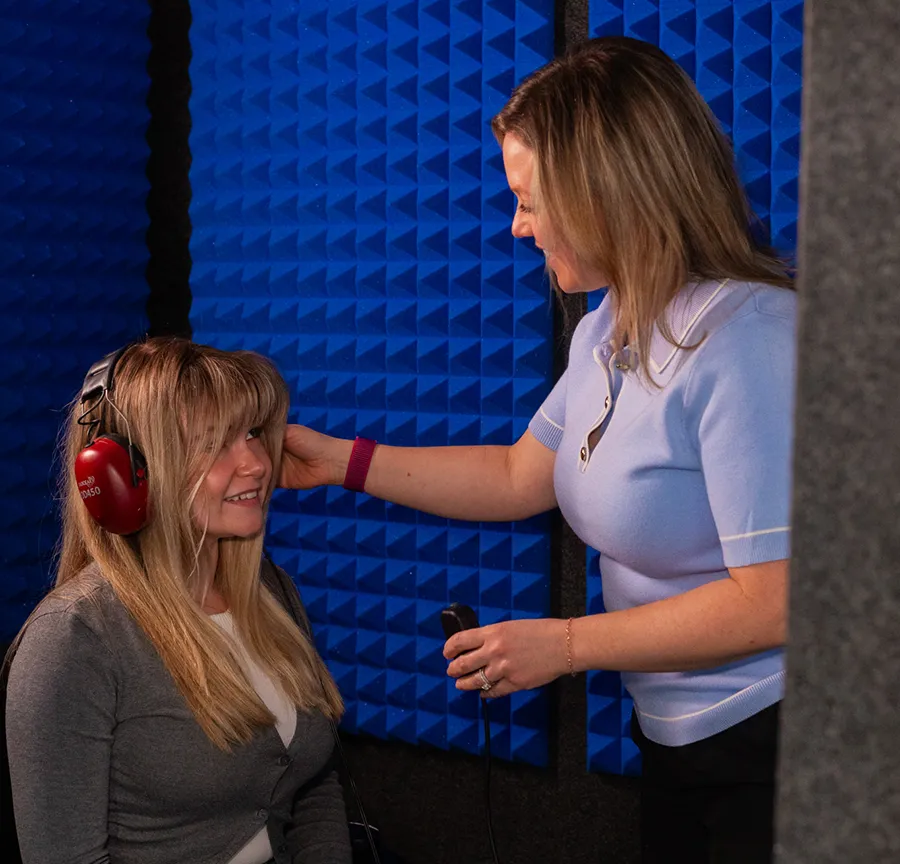
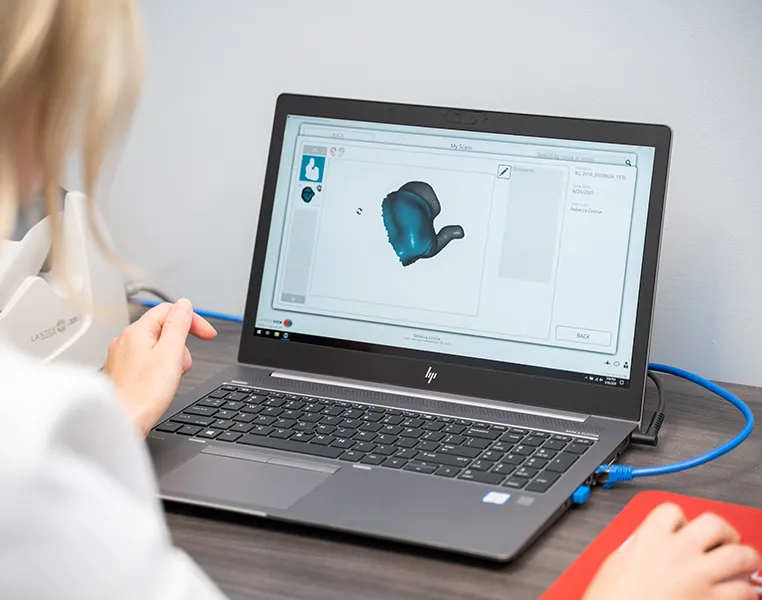
Musicians face unique hearing challenges—from noise-induced hearing loss to tinnitus and sound sensitivity. Dr. Grome has spent eight years specializing in hearing conservation, working with musicians from across the country. Our comprehensive program includes custom ear protection, in-ear monitors, and education to help you safeguard your hearing while doing what you love.
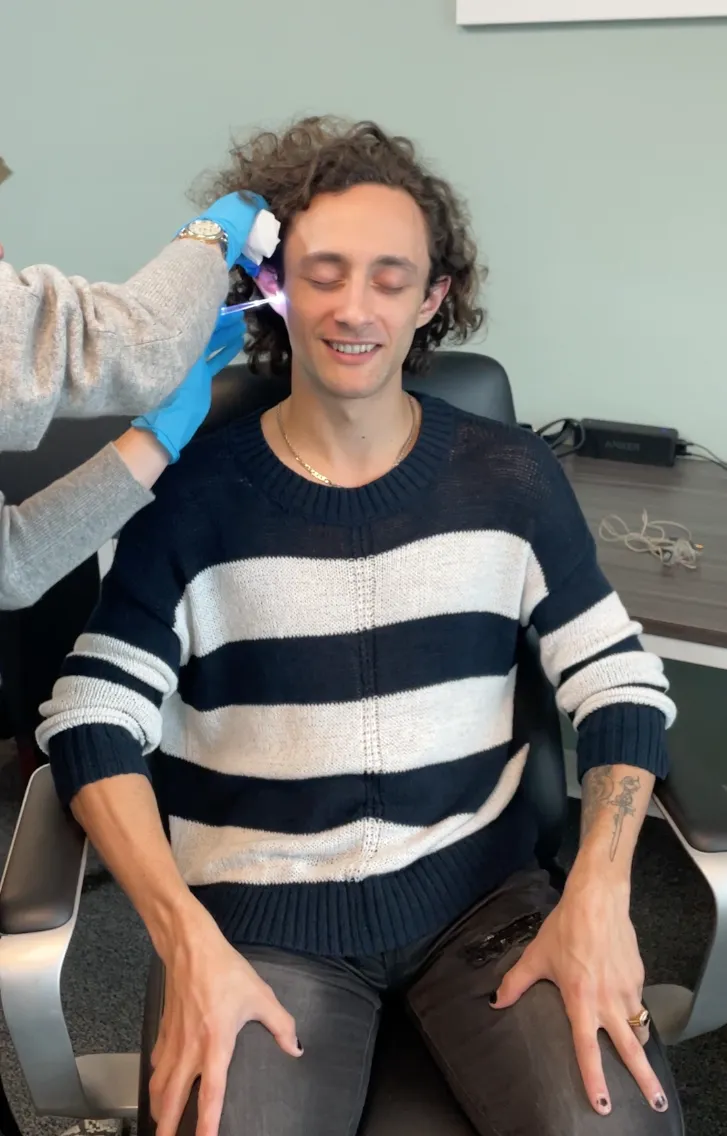
"They were super nice, understanding and really broke everything down for me to understand better. The head technician is a very nice lady who is patient and calm with people who have bad hearing." Ethan Williamson
Your Local Hearing Experts
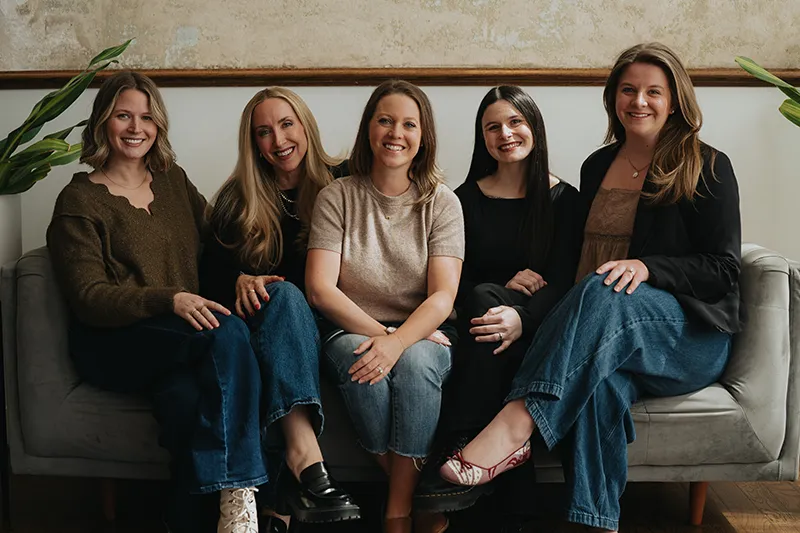
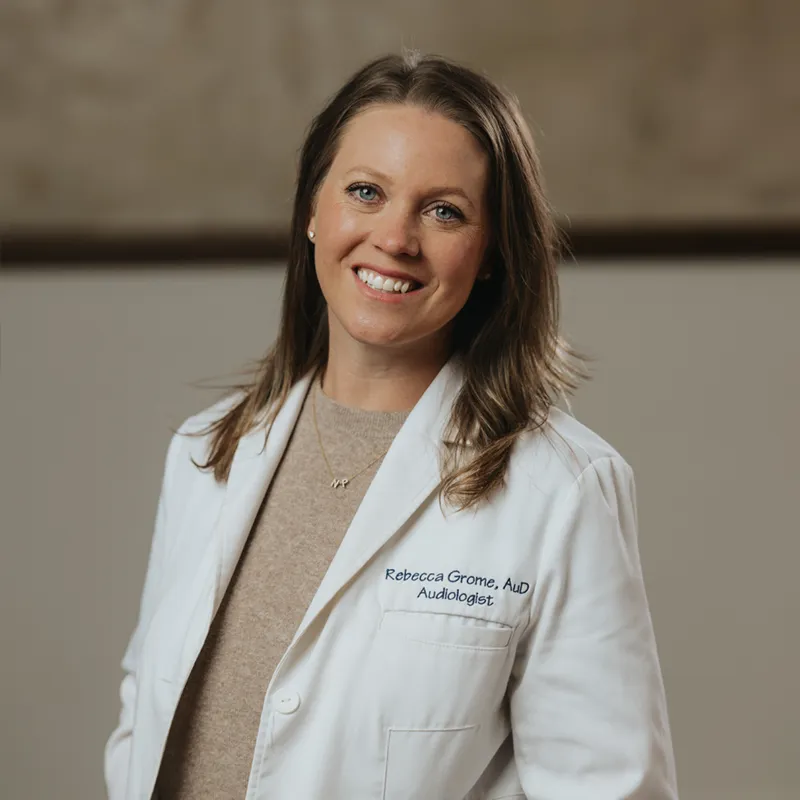
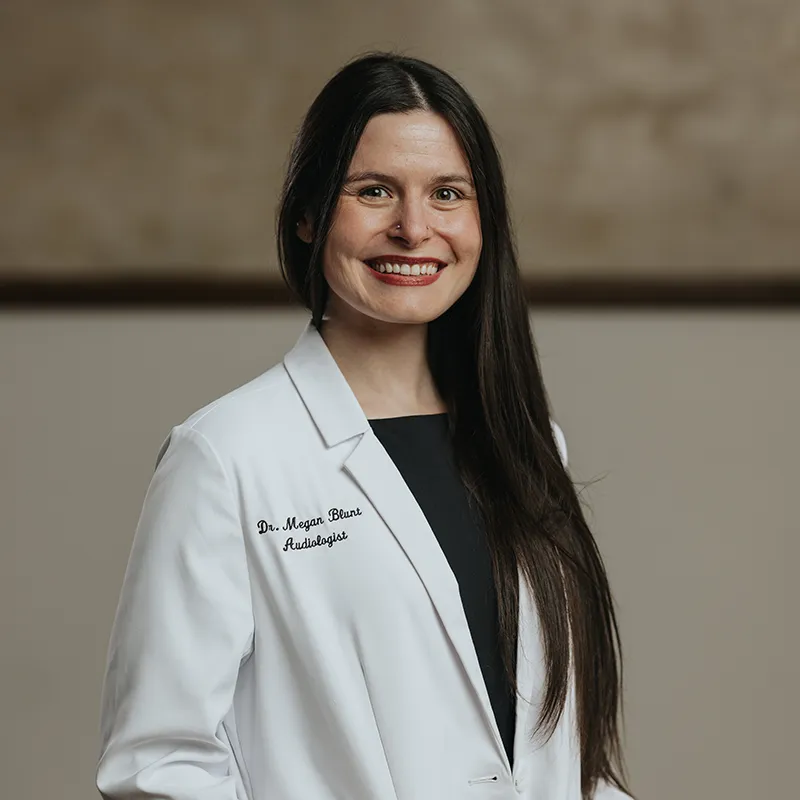
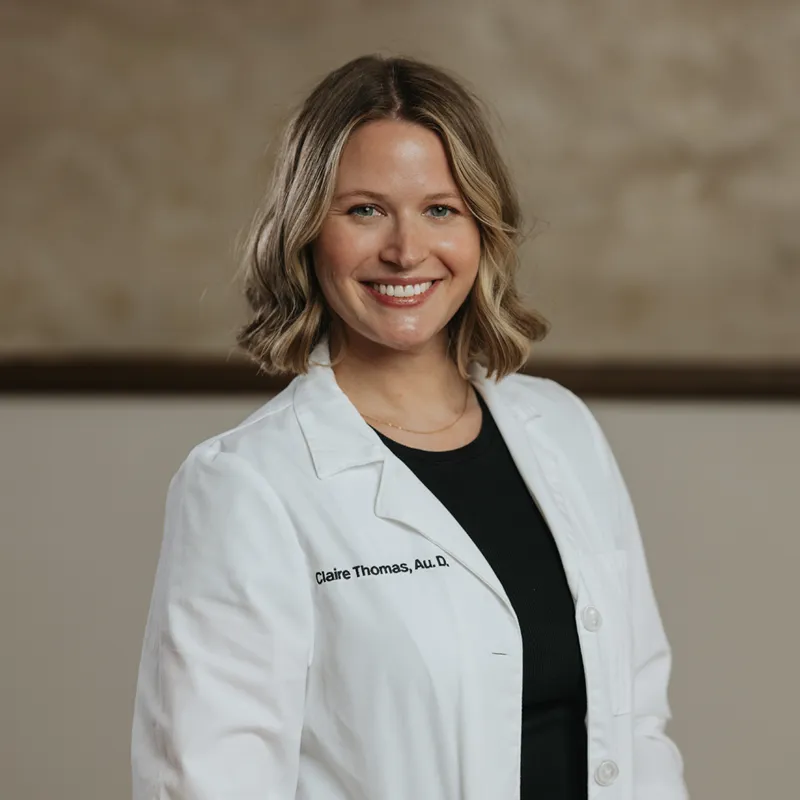
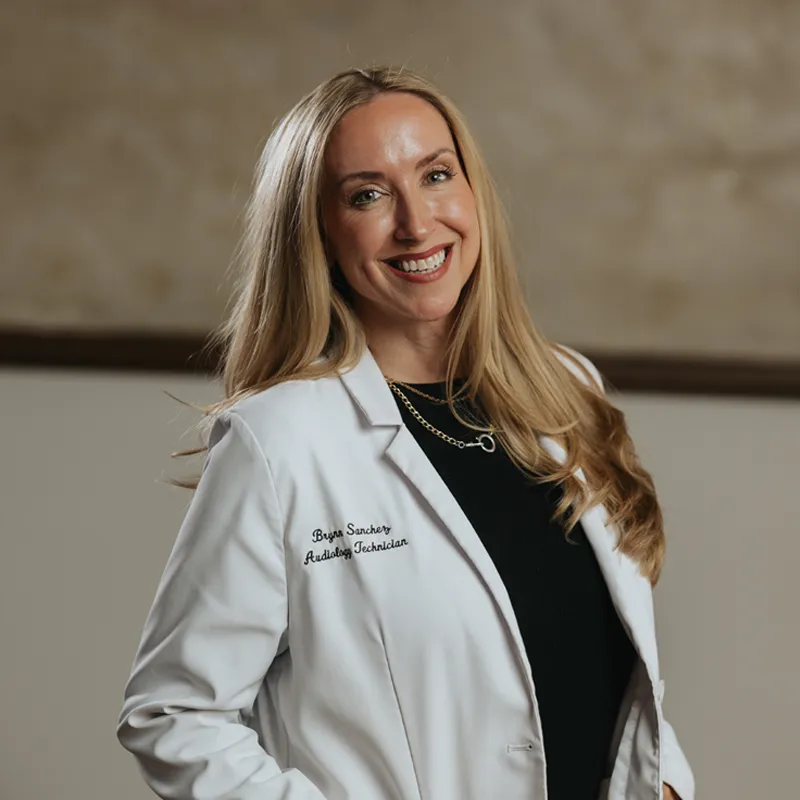
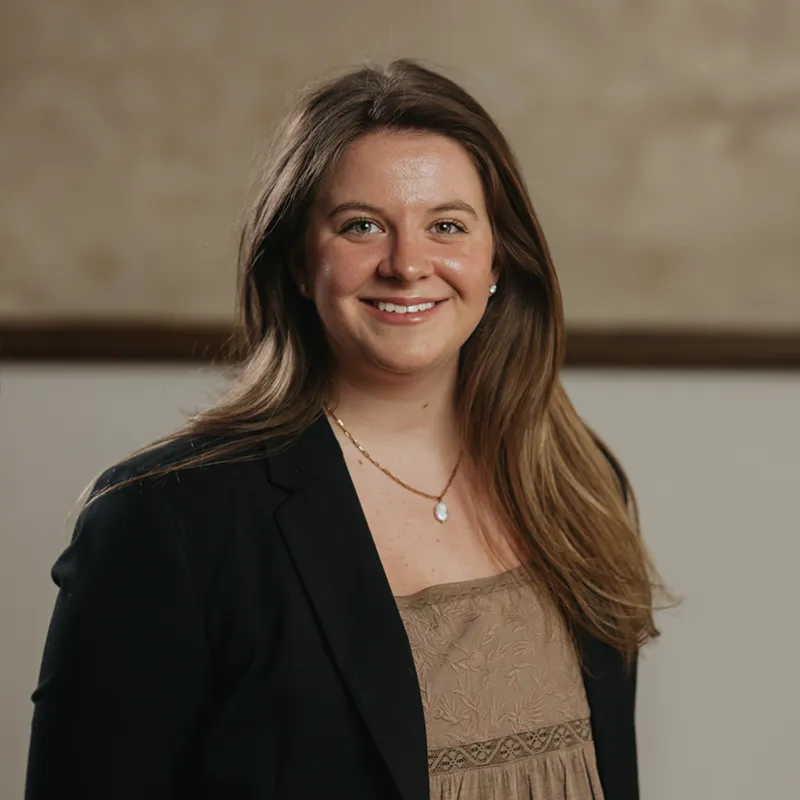
Meet the audiologists and team behind Ears4U — Nashville's hearing loss and tinnitus specialists ready to guide you toward better hearing.


What Our Patients Say
Discover what our patients are saying about their experience at Ears4U. Their stories reflect our dedication to compassionate, expert care and the life-changing impact of better hearing.
"The providers and staff at this office are awesome. I’ve been going here about 6 to 7 years and the service is top-tier always taken care of my hearing needs."
"Great overall care, understanding of concern/problem, and resolution. Super friendly and knowledgeable, plus quite easy to schedule an appointment quickly online. HIGHLY recommend!"
"I stopped in as a walk-in for ear wax removal and was pleasantly surprised by how smooth the process was. I was seen quickly, and the entire appointment took less than 20 minutes. (...) Highly recommend!"
"I absolutely love this audiology clinic! I was fortunate enough to sneak in at the End of the day without an appointment. Dr. Grome Was fabulous and professional. (...) I recommend them without reservation."
"I had a great experience with ears for you. Megan and the team were patient in helping me find the right solution for my particular hearing issue. I tried multiple devices and ended up with something that works great for my use case at the right cost for me. (...)"
"Had my IEMs cleaned here. Brynn was great and I will be back to get my hearing checked in the future."
"Everything about my appointment went so well - from scheduling to the actual hearing testing. Dr. Grome is fantastic! I highly recommend her! She knows the options and will provide all the information to help you fit your lifestyle and budget on your terms."
"Megan was efficient, informative, and compassionate. She also was very transparent and understanding about my situation, and they are in the business of taking care of their customers. I couldn’t recommend them enough!"
"I was so pleased with Ears4U! We came in as new customers and got in within a week. Dr G gave us both her full attention and was so helpful during our evaluations and a week later we received our new devices! Highly recommend!"

"The whole staff was very nice and efficient. Dr. Grome took the time to answer all my questions and did her best to bill everything she could to insurance. Highly recommend!"

"(...) Dr. Grome was very kind, answered all of my questions, and had the most positive attitude. (...) I will now be recommending all of my musician friends to her practice because she is not only a professional, but also a wonderful and caring person."

"(...) Dr. Rebecca Grome took very good care of me, and gave me follow up options as well as a treatment plan. Everyone in the office was so nice, And the facility is extremely clean and pleasant. The prices are reasonable. Great first time experience.(...)"
"Dr. Grom and her staff were so wonderful. Went in to get my IEM impressions along with ordering a new pair of IEM’s. Everything was done so smoothly and flawlessly. I would 100% recommend Dr. Grom for any audiology needs."

"Working musician here, I came for a hearing test and to be fitted for IEMs. Appointment was easy to make, front desk was friendly and helpful, and appointment was quick and efficient.(...) Great business, can't recommend highly enough.
"Dr. Grome and her staff are professional, warm, competent and ready to go out of their way to help. I'm very hard of hearing and Dr. G spent several appointments with me to make sure I was choosing the correct hearing aids and that they were equipped and set correctly.(...)"
"I’ve been going to ears for you for six years. Ears4U is Great! Dr. Gromme is excellent, very thorough, and pays close attention to the patients needs and well being. I feel lucky to have foundEars4U out of all of the hearing facilities that are out there in the Nashville and Gallatin areas. (...)"

"Dr Grome is an expert in hearing aid technology. She maintains a complete history of my hearing loss and so is most qualified to treat it with the best technology that I can afford. I absolutely trust her expertise."

"Awesome experience! Had an ear ache and got an appointment 2 hours later the same day. Flushed out all wax and I feel 100% better. Would highly recommend!"
"I went to Dr. Grome for IEM molds and was extremely impressed. (...) I have highly recommended her to everyone in my band and, well, anyone else who will listen (pun intended)! I drove from Memphis to work with her based on her reputation and she really delivered!"

"I have had four audiologists over the past 10 years. With Dr. Grome I have had the best experience. (...) She was clear about my hearing test results, what external factors might impact my hearing, and walked me through several options and the tradeoffs between them."
"I have seen Dr Grome several times in the past few years. She has always been spot on with her diagnosis and treatment. There is always a very professional atmosphere in her office."
"Ears4U Hearing are your one stop shop, I have owned 5 pair of Hearing Aids from multiple providers and Dr. Rebecca knows her stuff, Best Practices, Real Ear Measurement, Custom ear molds she does it all, this is the best I have been able to hear in a long time. (...)"

"Ears 4 U was a fantastic experience. My wife and I went for a professional wax cleaning and learned so much more that we could ever have hoped for. (...) I will be going back to get my next hearing test done as well as custom moulds for my in-ear monitors."

"As a musician, I was looking for an audiologist who understands those needs and Dr. Rebecca Grome was perfect! The experience of getting my in-ear molds done was a blast and so comprehensive. Thank you!"